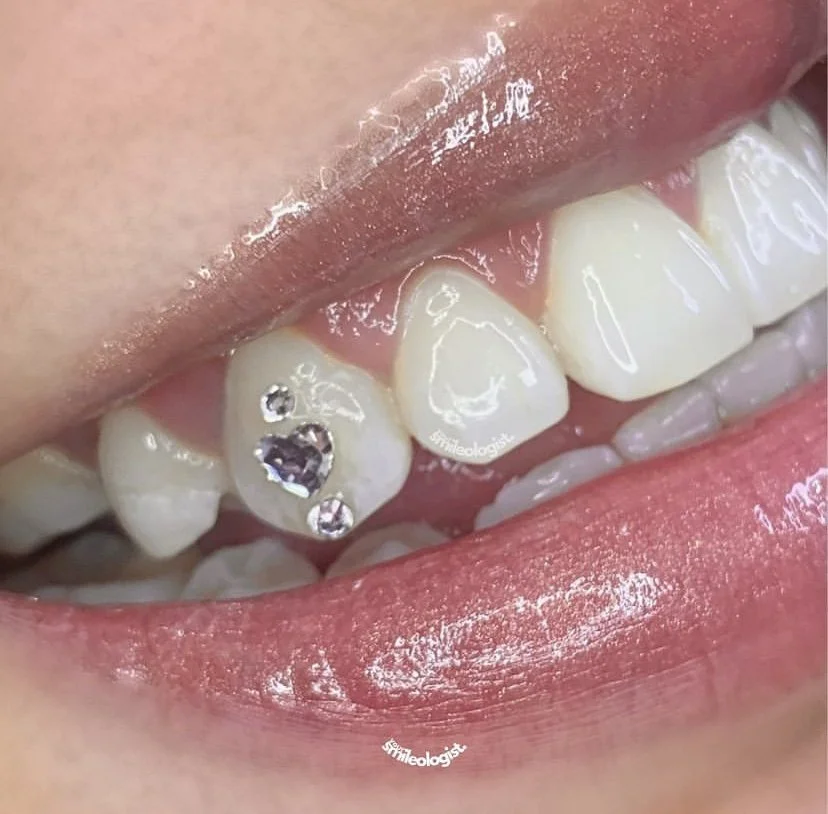

The tooth gem industry sits in a unique regulatory grey zone. We're working in the oral cavity — a clinical environment — but most technicians operate outside traditional dental practice settings. This creates a dangerous gap where aesthetic goals can overshadow infection control fundamentals.
After training over 600 clients globally and maintaining AHPRA registration as an Oral Health Therapist, I've seen the full spectrum: immaculate clinical setups worthy of a dental surgery, and festival booths that make me genuinely concerned for public health. The difference isn't budget or space — it's understanding what actually matters for infection control.
This guide translates hospital-grade infection prevention into practical protocols for tooth gem workspaces, whether you're setting up a permanent studio or packing a mobile kit.
Minimum Workspace Requirements: Non-Negotiables
Before you purchase a single gem or adhesive system, your workspace must meet these baseline standards. These aren't aspirational goals — they're the clinical minimum for working safely in the oral cavity.
Dedicated clean surface: A designated area for instrument preparation and gem application that's used for nothing else. Kitchen benches, makeup stations, and shared surfaces don't qualify. You need a non-porous surface (stainless steel, solid surface material, or sealed benchtop) that can withstand repeated disinfection with hospital-grade chemicals.
Adequate task lighting: You cannot properly assess enamel condition, identify caries, or verify bond integrity under ambient room lighting. Minimum 1000 lux at the working surface. LED headlamps or adjustable task lights are non-negotiable, particularly for mobile setups.
Ventilation considerations: Etchant fumes, adhesive volatiles, and composite curing byproducts need to dissipate. Working in a sealed room without air exchange creates occupational health risks for you and respiratory irritation for clients. Natural ventilation (operable windows) or mechanical extraction if you're seeing more than three clients daily.
Hand hygiene facilities: Running water, liquid soap, and single-use towels within three metres of your workspace. Alcohol-based hand rub is supplementary, not a replacement for hand washing between clients.
"Hospital-grade infection control isn't about creating a sterile theatre — it's about breaking the chain of transmission. Every protocol exists to prevent cross-contamination between clients."
Instrument Categories and Sterilisation Requirements
Not all instruments require the same level of processing. Understanding the Spaulding classification system prevents both under-sterilisation (infection risk) and over-processing (wasting resources on single-use items).
Critical instruments penetrate soft tissue or contact bone. In tooth gem application, this is rare unless you're managing gingival trauma or bleeding from aggressive etching. If blood is drawn, that instrument becomes critical and requires sterilisation (autoclaving) or disposal. Most technicians shouldn't be encountering this scenario — if you are, your etching technique needs review.
Semi-critical instruments contact mucous membranes or non-intact skin but don't penetrate tissue. This includes your curing light tip, saliva ejectors, mirrors, and any metal instruments touching enamel or oral soft tissue. Minimum processing: high-level disinfection. Best practice: sterilisation via autoclave. Disposable alternatives exist for every semi-critical instrument in tooth gem work.
Non-critical instruments contact intact skin only. Your client consultation tools, headrests, and surrounding surfaces fall here. These require cleaning and low-level disinfection between clients.
Here's the protocol I follow in my practice: all reusable instruments go through ultrasonic cleaning, then autoclave sterilisation, regardless of contamination level. It's simpler, eliminates decision fatigue, and provides the highest safety margin. Single-use items (applicator brushes, microbrushes, etchant tips) are disposed of immediately after use in a designated sharps container if they've contacted etchant.
Surface Disinfection Protocol: Beyond Wiping Down
Surface contamination is the primary transmission vector in aesthetic procedures. Saliva aerosols from conversation settle on every surface within one metre of the client's mouth. Your tray, your bottles, your phone — all contaminated after every appointment.
Hospital-grade disinfectant requirements: TGA-registered, broad-spectrum (bactericidal, virucidal, fungicidal), and appropriate contact time. "Antibacterial spray" from the supermarket doesn't meet this standard. Look for products listing specific kill times for enveloped viruses (influenza, coronavirus) and non-enveloped viruses (norovirus). Common Australian options include Clinell Universal Wipes (30-second contact time) or Alcide (two-minute contact time for non-enveloped viruses).
Two-step cleaning process: Physical removal of debris first (detergent and water), then disinfection. Disinfectants don't work effectively on visibly soiled surfaces. Blood, saliva, or composite residue must be removed before applying your hospital-grade product.
Barrier protection strategy: Disposable barriers (cling film, plastic sleeves) on high-touch surfaces reduce disinfection workload. Wrap your curing light handle, adhesive bottles, and tray edges. After each client, remove and dispose of barriers, then disinfect the underlying surface. This approach is faster and more reliable than attempting to disinfect complex surface geometries.
Ready to professionalise your tooth gem practice? The Gemist Hub Academy Masterclass covers complete infection control protocols, including video demonstrations of instrument processing and workspace setup. Learn clinical-grade techniques from an AHPRA-registered practitioner.
Personal Protective Equipment: What You Actually Need
PPE requirements for tooth gem application mirror those for dental hygiene procedures. You're managing saliva, potential blood exposure from gingival irritation, and chemical contact with etchant and adhesives.
Gloves: Single-use nitrile gloves (not latex due to allergy prevalence, not vinyl due to inferior barrier protection). Change between clients, and whenever you touch non-clinical surfaces (phone, door handle, payment terminal). The "touch everything with gloved hands" approach contaminates your entire workspace. Remove gloves to handle your phone, then don new gloves before returning to clinical work.
Masks: Surgical masks (ASTM Level 2 minimum) for splash protection and aerosol reduction. The primary risk isn't airborne transmission — it's saliva droplets from client conversation landing on your mucous membranes. If you're using an air-water syringe or ultrasonic scaler (some technicians use these for enamel preparation), upgrade to P2/N95 respiratory protection.
Eye protection: Non-negotiable when using etchant. Phosphoric acid splashes cause corneal burns. Safety glasses or face shields, not your prescription glasses. Must have side protection to prevent lateral splashes during syringe dispensing.
Clinical attire: Dedicated work clothing that's laundered separately from personal items. Long sleeves protect your forearms from composite adhesives (contact dermatitis risk). Change if visibly soiled. Some jurisdictions require fluid-resistant gowns — check your local health department guidelines.
Single-Use Versus Reusable: The Economics of Safety
The tension between infection control and profitability hits hardest here. Reusable instruments require sterilisation equipment (autoclave: $2,000–$8,000), ultrasonic cleaner ($300–$1,200), and ongoing maintenance. Single-use consumables cost $3–$8 per client but eliminate processing infrastructure.
For mobile technicians or low-volume practices (under 10 clients weekly), single-use is more economical and eliminates sterilisation compliance burden. For established studios seeing 20+ clients weekly, autoclave investment pays for itself within 12–18 months, and you gain regulatory credibility.
Hybrid approach for most technicians: single-use applicators, brushes, and etchant tips. Reusable mirrors, cheek retractors (autoclavable silicone), and metal instruments. Never reuse anything that contacts etchant or uncured adhesive — the chemical residue survives standard cleaning.
Sharps Disposal and Waste Segregation
Etchant-contaminated tips and broken gem applicators aren't general waste. Phosphoric acid qualifies as hazardous chemical waste in concentrations above 35%. Most dental etchants are 37–40%.
Required waste streams: Clinical waste (saliva-contaminated items, gloves, masks), sharps (etchant syringes, any item that could puncture a bag), and general waste (packaging, paper). Use colour-coded bins: yellow for clinical waste, purple or orange for sharps, black for general waste.
Sharps containers must be rigid, puncture-proof, and clearly labelled. When three-quarters full, seal and arrange collection through a licensed medical waste contractor. Approximate cost: $40–$80 per 5-litre container collection in metropolitan Australia. Don't let sharps containers overflow — overfilling causes needle-stick injuries during handling.
Hand Hygiene Protocol: The Single Most Effective Intervention
Proper hand washing prevents more cross-contamination than any other single measure. The technique matters more than the duration.
When to perform hand hygiene: Before client contact, before putting on gloves, after glove removal, after touching contaminated surfaces, before handling sterile instruments. Not just between clients — multiple times during each appointment.
Technique: Wet hands, apply soap, lather for 20 seconds (cover all surfaces: palms, backs, between fingers, under nails, wrists), rinse thoroughly, dry with single-use towel. Alcohol-based hand rub (70% ethanol or isopropanol) is acceptable when hands aren't visibly soiled, using the same coverage technique until dry.
The most common error I observe in workshops: technicians washing hands, then touching the tap to turn off the water, recontaminating their hands immediately. Use the paper towel to turn off the tap, or install elbow/foot-operated taps.
Mobile Tooth Gem Kits: Infection Control on the Move
Festival bookings and event work present the highest infection control risk. You're working without running water, proper lighting, or controlled environments. Some technicians accept this risk for the revenue. I don't work events without these minimum provisions.
Essential mobile kit components: Portable task lighting (rechargeable LED), alcohol-based hand rub (backup for hand washing), pre-sterilised instrument packs (sealed until use), disposable surface barriers, sharps container, clinical waste bag, and adequate water supply (minimum 5 litres for hand washing).
Setup requirements: Stable work surface (portable treatment chair or adjustable table), adequate space to maintain a clean zone (60cm radius around the work area), and weather protection (gazebo minimum, enclosed space preferred). I refuse bookings where the client expects me to work in direct sunlight, high wind, or rain — you cannot maintain sterile technique in those conditions.
Client screening: More critical in mobile settings where you can't perform comprehensive oral health assessments. Structured consultation questions identify contraindications before you've unpacked your kit. Active caries, gingival inflammation, or poor oral hygiene are absolute contraindications — refer to a dentist, don't proceed with gem application.
Common Hygiene Mistakes Technicians Make
After reviewing hundreds of workspace setups during training sessions, these errors appear repeatedly:
Cross-contamination via bottles: Touching adhesive bottles, etchant syringes, or composite containers with contaminated gloves, then handling those same bottles with clean gloves for the next client. Solution: dispense all materials before gloving, or use an assistant to hand you items.
Inadequate contact time: Spraying disinfectant and immediately wiping. Every product has a specified contact time (duration the surface must remain wet to achieve microbial kill). Clinell wipes require 30 seconds. Alcide requires two minutes. Wiping immediately provides zero disinfection.
Reusing "single-use" items: Washing and reusing microbrushes, applicator tips, or disposable mirrors to save costs. These items aren't designed to survive cleaning or sterilisation. They degrade, harbour biofilm in micro-crevices, and provide false economy — the cost of one infection or regulatory violation far exceeds the savings.
Storing instruments improperly: Sterilised instruments left unwrapped on open trays, exposed to airborne contamination and environmental dust. Once sterilised, instruments must be stored in sealed pouches or covered containers. Shelf life after sterilisation depends on packaging integrity, not time — a sealed pouch remains sterile indefinitely if undamaged.
Neglecting environmental surfaces: Focusing on instrument sterilisation while ignoring light switches, door handles, chair adjustments, and mobile phones. These high-touch surfaces transmit pathogens between your hands and clinical field. Disinfect everything within the clinical zone after each client, not just the instruments.
Regulatory Minimum Standards in Australia
Tooth gem application isn't explicitly regulated in most Australian jurisdictions, which doesn't mean standards don't apply. You're bound by general infection control requirements under public health acts, and by professional indemnity insurance conditions if you hold coverage.
Relevant frameworks: The Australian Guidelines for the Prevention and Control of Infection in Healthcare (2019) published by the National Health and Medical Research Council provides the benchmark. While written for healthcare facilities, the principles apply to any procedure involving mucous membrane contact.
Local government requirements: Some councils classify tooth gem services as "skin penetration" businesses (alongside tattooing and piercing), triggering registration and inspection requirements. Check with your local environmental health officer before commencing operation. Required standards typically cover sterilisation equipment, waste disposal contracts, and hand hygiene facilities.
Professional registration implications: If you're a registered health practitioner (dental hygienist, oral health therapist, dentist) performing tooth gem services, you're held to your profession's infection control standards regardless of where you work. AHPRA registrants cannot claim lower standards for "aesthetic" work — the professional obligations follow you into every clinical interaction.
Building a Culture of Safety
Infection control isn't a checklist you complete once during workspace setup. It's a continuous practice that requires vigilance, self-correction, and willingness to say "I need to re-sterilise that" when you're not certain about an instrument's status.
The technicians who maintain impeccable hygiene standards aren't more naturally careful or detail-oriented. They've built systems that make contamination visible and errors difficult. Colour-coded zones (clean, contaminated, waste), procedural checklists, and standardised workflows reduce reliance on memory and good intentions.
Your infection control standards communicate professional credibility before you've applied a single gem. Clients notice the sealed instrument pouches, the fresh gloves, the methodical surface disinfection. These visible markers of clinical competence justify premium pricing and build trust that translates to referrals and repeat bookings.
More importantly, they keep people safe. Every shortcut you take in pursuit of efficiency or cost savings is a gamble with someone else's health. In an unregulated industry, your professional standards are the only protection your clients have.
Want to master clinical-grade tooth gem techniques? The Gemist Hub Academy provides comprehensive training from an AHPRA-registered Oral Health Therapist. Learn infection control protocols, advanced application techniques, and business systems that support sustainable practice growth. Explore the Masterclass curriculum and upcoming training dates.