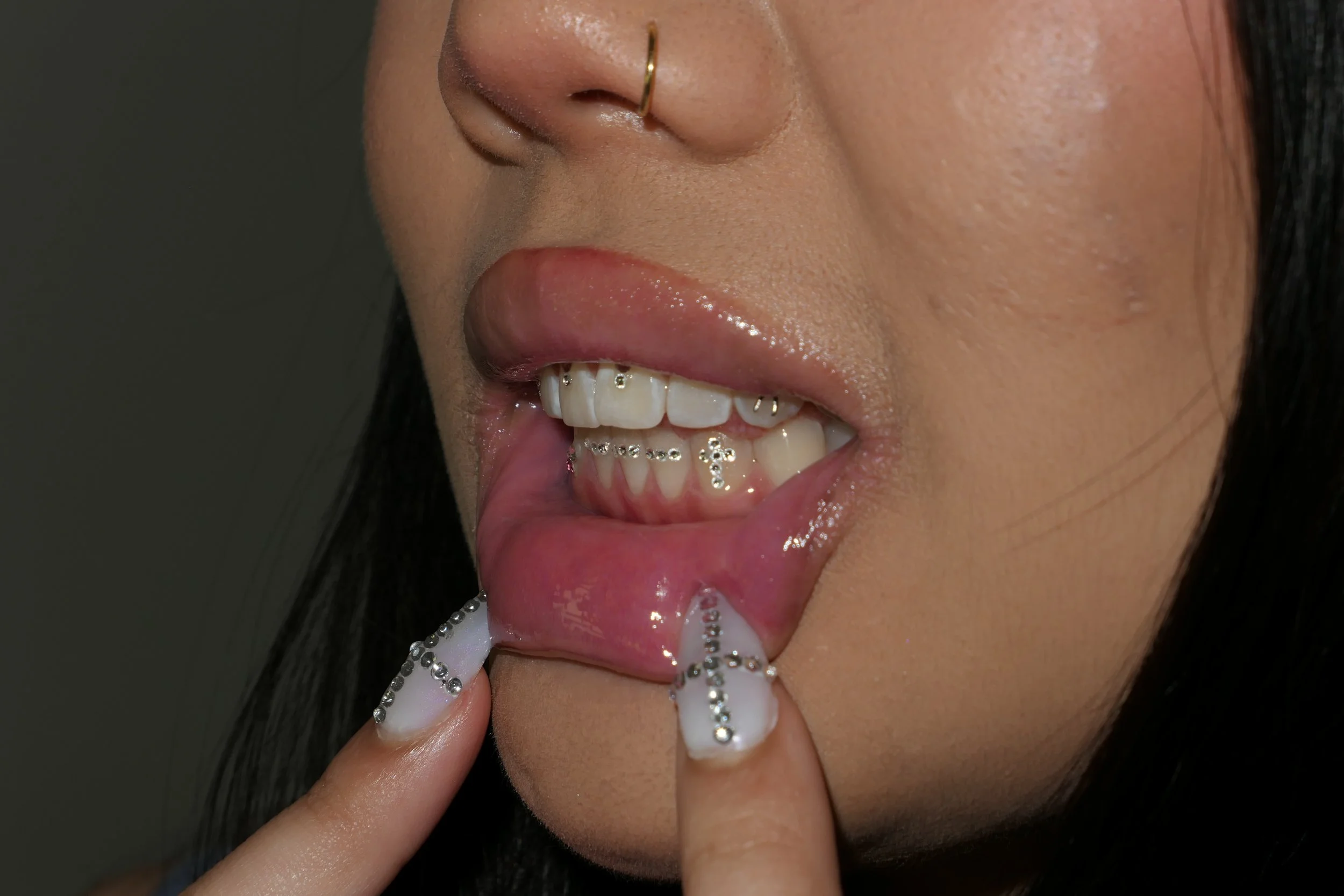

"Will this damage my teeth?" is the first question I hear from nearly every new client. As an AHPRA-registered Oral Health Therapist with over 600 tooth gem applications since 2021, I understand the concern. The short answer? When applied professionally using dental-grade materials and proper technique, tooth gems are completely safe for your enamel. But the devil is in the details — and that's exactly what we need to talk about.
The Science Behind Safe Tooth Gem Application
Tooth gems use the exact same bonding system that orthodontists use to attach braces brackets to teeth. This isn't a random beauty product — it's a dental technique with decades of research backing its safety profile. The dental composite we use at The Gemist Hub creates a mechanical bond with your enamel that's strong enough to hold the gem securely, yet completely reversible without damaging the tooth structure.
Here's what makes professional application safe:
- Acid etching: We use a 37% phosphoric acid gel to microscopically roughen the enamel surface, creating tiny pores for the bonding agent to grip. This process only affects the outermost layer of enamel — we're talking microns, not millimetres.
- Dental-grade bonding composite: The same light-cured resin used for fillings and orthodontic brackets. It's biocompatible, non-toxic, and FDA-approved for intraoral use.
- Controlled curing: We use a dental curing light to polymerise the composite in seconds, ensuring a complete and stable bond.
- Smooth edges: Every gem is positioned flush against the tooth to prevent plaque accumulation or gum irritation.
"In over 600 applications, I've had zero cases of enamel damage, cavities caused by the gem, or permanent tooth alterations. The track record speaks for itself — when it's done right, it's safe." — Nhi, Oral Health Therapist
Professional Application vs DIY Kits: A Critical Difference
This is where we need to draw a hard line. Professional application by a dental professional is safe. DIY kits sold online? That's a completely different story — and a risky one.
DIY kits typically use non-dental adhesives (often nail glue or cosmetic adhesive) that aren't designed for the oral environment. These adhesives can:
- Contain toxic chemicals that shouldn't be in your mouth
- Fail to bond properly, leading to gems being swallowed or aspirated
- Trap bacteria between the gem and tooth, increasing cavity risk
- Cause chemical burns to gum tissue
- Be nearly impossible to remove safely without professional help
I've seen clients who tried DIY kits first come in with gum inflammation, poorly positioned gems that interfered with their bite, and in one case, a gem that had partially debonded and was trapping food debris underneath. These situations are entirely preventable with professional application. If you're serious about getting a tooth gem, it's worth doing it properly.
Want a tooth gem that's both safe and stunning? Book with an AHPRA-registered dental professional who's applied 600+ gems with zero enamel damage.
Book Your AppointmentWhat Makes Materials Matter
At The Gemist Hub, we exclusively use dental-grade materials: genuine Swarovski crystals, 18K gold charms, and professional dental composites. This isn't just about aesthetics — it's about safety. Swarovski crystals are lead-free and have smooth, rounded edges that won't irritate soft tissue. Our 18K gold charms are nickel-free and hypoallergenic. These materials have been tested for biocompatibility and won't leach chemicals into your saliva.
Cheap crystals from DIY kits may contain lead or have sharp edges. Low-quality metals can cause allergic reactions or tarnish in the moist oral environment. Your mouth deserves better. Learn more about choosing the right tooth gem materials for both safety and style.
When Tooth Gems Are NOT Safe: Contraindications
Tooth gems aren't suitable for everyone, and a responsible dental professional will tell you that upfront. I turn away clients when I see these red flags:
- Active tooth decay: We need a healthy tooth surface. If you have untreated cavities, those need addressing first.
- Enamel defects: Hypoplasia, erosion, or severe demineralisation mean the bonding won't work properly and could worsen existing damage.
- Severe grinding or clenching (bruxism): The constant force can cause gems to debond or even fracture teeth.
- Poor oral hygiene: If you're struggling with gum disease or multiple cavities, adding a gem will complicate things further.
- Pregnancy (first trimester): While dental procedures are generally safe, we prefer to wait until after the first trimester as a precaution.
- Certain medical conditions: Uncontrolled diabetes, compromised immune systems, or bleeding disorders require clearance from your GP first.
During your first tooth gem appointment, I conduct a thorough oral health assessment before proceeding. If I see anything concerning, I'll refer you to a dentist for treatment first. Safety always comes before sparkle.
The Removal Process: Just as Safe as Application
One of the biggest safety advantages of professional tooth gem application is safe removal. When you're ready to remove your gem — whether it's been six months or two years — the process is completely reversible and enamel-safe.
Professional removal involves:
- Using a dental scaler to gently lift the gem from the tooth
- Polishing away any residual composite with a low-speed handpiece and fine polishing paste
- Assessing the tooth surface to ensure no damage occurred
- Fluoride treatment to remineralise the area (optional but recommended)
The entire process takes about 10 minutes, causes no discomfort, and leaves your tooth exactly as it was before the gem was applied. Attempting to remove a gem yourself with pliers, fingernails, or other improvised tools? That's when enamel damage happens. Always see a dental professional for removal.
Real-World Safety Track Record
Theory is one thing, but real-world outcomes matter more. Since starting The Gemist Hub in 2021, I've applied over 600 tooth gems across my Parafield Gardens and Canley Vale locations. Here's my safety record:
- Zero cases of enamel damage from gem application or removal
- Zero cavities attributed to the presence of a tooth gem
- Zero adverse reactions to bonding materials
- Zero emergency visits for swallowed or aspirated gems
- 100+ five-star Google reviews mentioning safety and professionalism
This isn't luck — it's the result of proper technique, quality materials, thorough assessments, and honest conversations about contraindications. I've turned away clients when I felt it wasn't safe to proceed, and I've referred clients to dentists when I spotted issues during the assessment. That's what responsible dental care looks like.
"I was so nervous about damaging my teeth, but Nhi explained every step and showed me her credentials and track record. It's been a year and my tooth is perfect — no sensitivity, no issues, just sparkle." — Sarah, Canley Vale client
Maintaining Safety After Your Appointment
Your tooth gem is safe, but you play a role in keeping it that way. Proper aftercare ensures the gem stays securely bonded and your oral health remains excellent. Here's what I tell every client:
- Maintain excellent oral hygiene: Brush twice daily, floss carefully around the gem, and use mouthwash. The gem won't cause problems, but neglecting hygiene will.
- Avoid biting hard objects: Don't use the gemmed tooth to crack nuts, bite nails, or open bottles. Treat it gently.
- See your dentist regularly: Continue your six-month check-ups and cleanings. Inform your hygienist about the gem so they can clean around it carefully.
- Watch for changes: If the gem feels loose, rough, or irritating, contact me immediately. Early intervention prevents problems.
Following these simple guidelines means your gem will last longer and your tooth will stay healthy. It's a partnership between professional application and client care.
The Bottom Line: Safe When Done Right
Are tooth gems safe? Yes — when applied by a qualified dental professional using dental-grade materials and proper technique. As an AHPRA-registered Oral Health Therapist and member of the Australian Dental Association, I stake my professional reputation on that statement. My 600+ applications with zero enamel damage aren't a fluke; they're the expected outcome when you combine proper training, quality materials, and ethical practice.
What's not safe? DIY kits, unqualified applicators, cheap materials, and skipping the oral health assessment. Tooth gems are a cosmetic dental procedure — the keyword being "dental." Would you trust an untrained person to fill a cavity or whiten your teeth? Of course not. Apply the same logic here.
If you're considering a tooth gem, do your research. Ask about credentials, materials, and sterilisation protocols. A legitimate professional will welcome these questions. At The Gemist Hub, I answer them every day because informed clients make confident decisions — and confident clients get the best results.
Ready to get your sparkle safely? Book your consultation at our Parafield Gardens or Canley Vale location. Let's make your smile shine — the safe way.