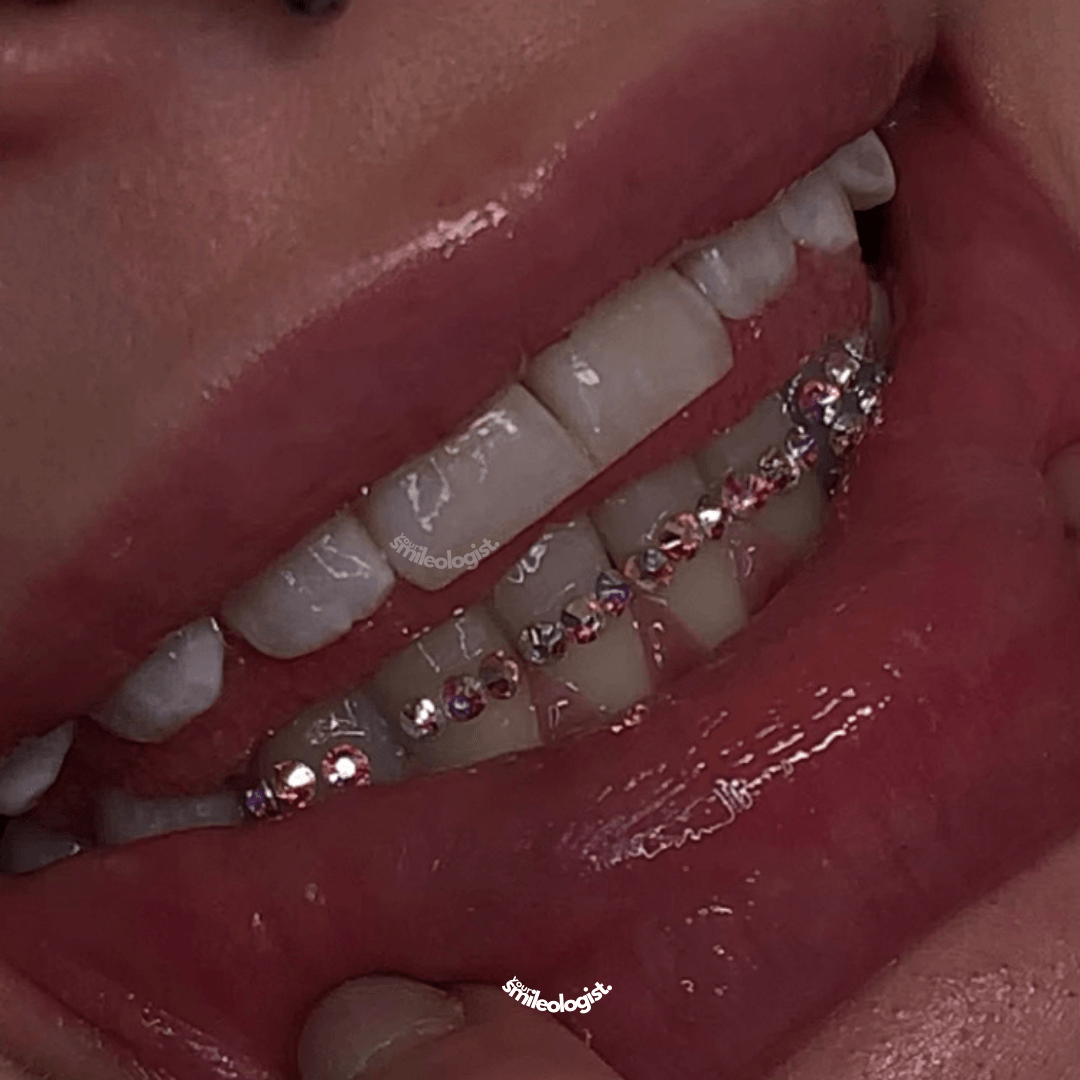

Tooth gems have exploded in popularity across Australia, transforming smiles from Sydney to Perth with a touch of sparkle and personality. Whether you've spotted them on social media influencers, celebrities, or friends, these tiny dental accessories have become one of the most sought-after cosmetic dental trends of 2026.
But behind the glamour lies important information every Australian should know before booking their appointment. From safety considerations and application techniques to aftercare protocols and choosing the right provider, this comprehensive guide covers everything you need to make an informed decision about tooth gems.
As an AHPRA-registered Oral Health Therapist with over 600 clients and zero enamel damage cases, I've seen the industry evolve dramatically over the past few years. This guide distils years of professional experience, clinical evidence, and real-world insights to help you navigate the tooth gem journey safely and confidently.
What Are Tooth Gems?
Tooth gems are decorative accessories temporarily bonded to the surface of your teeth using professional-grade dental adhesive. Unlike permanent dental modifications like grillz or veneers, tooth gems are completely reversible and cause zero damage to your natural enamel when applied and removed by a qualified professional.
The concept originated in hip-hop culture during the 1990s but has evolved into a mainstream cosmetic trend embraced across demographics — from teenagers celebrating their 18th birthday to professionals adding subtle sparkle to their smile. Modern tooth gems range from tiny Swarovski crystals measuring just 1.8mm to custom gold charms and semi-precious gemstones.
The application process uses the same dental bonding technique dentists have safely employed for decades to attach orthodontic brackets and composite restorations. When you choose a professionally applied tooth gem, you're receiving a cosmetic service grounded in established dental science, not an experimental beauty treatment.
"Tooth gems represent the intersection of dental science and personal expression. When applied correctly by trained professionals, they're completely safe and reversible — allowing clients to experiment with their smile without permanent commitment."
For a deeper dive into the history, materials, and cultural significance of tooth gems, read our comprehensive article on what tooth gems are and how they work.
Types of Tooth Gems Available in Australia
The Australian tooth gem market offers remarkable variety, catering to every aesthetic preference and budget. Understanding your options helps you select a gem that aligns with your style, lifestyle, and dental health considerations.
Swarovski Crystals remain the gold standard in tooth gem materials. These precision-cut Austrian crystals offer unparalleled brilliance and come in multiple sizes (1.8mm, 2.5mm, 3mm) and colours including clear crystal, light sapphire, aquamarine, light rose, and jet black. The flat-back design ensures optimal bonding strength, and their lead-free composition makes them safe for extended wear. Prices typically range from $100-$150 for application.
Opalite Gems provide an ethereal, iridescent alternative to traditional crystals. These semi-precious stones exhibit a milky luminescence that shifts between white, blue, and pink depending on lighting conditions. Particularly popular among clients seeking a subtle, mystical aesthetic, opalite gems typically cost $120-$180 including application.
18K Gold Charms represent the premium tier of tooth gems. Available in yellow, white, and rose gold, these custom pieces can be shaped into hearts, stars, initials, zodiac symbols, or completely bespoke designs. Gold charms are hypoallergenic, tarnish-resistant, and often chosen for special occasions or as permanent additions to one's smile. Expect to invest $200-$500 depending on design complexity.
Diamond and Lab-Grown Stones cater to clients seeking maximum luxury. While rare in mainstream practice, some specialist providers offer genuine diamond chips or lab-grown stones bonded using the same technique as traditional gems. These premium options start at $400 and can exceed $1,000 for larger stones.
Custom Charms and Decals allow ultimate personalisation. From miniature enamelled designs to laser-etched metal symbols, these bespoke pieces transform your tooth gem into wearable art. Production typically requires 2-4 weeks and costs vary widely based on materials and craftsmanship.
Our detailed guide to choosing tooth gem materials explores the pros and cons of each option, helping you select the perfect gem for your unique needs and aesthetic vision.
How Tooth Gems Are Applied: The Professional Process
Professional tooth gem application follows a precise clinical protocol designed to maximise bonding strength while protecting your natural enamel. Understanding this process helps you identify legitimate providers and set realistic expectations for your appointment.
The procedure begins with a comprehensive consultation and assessment. Your practitioner evaluates your dental health, identifies any contraindications (cavities, gum disease, enamel defects), and discusses your aesthetic goals. This initial assessment typically takes 10-15 minutes and ensures tooth gems are appropriate for your specific situation.
Tooth preparation involves isolating the selected tooth and thoroughly cleaning the bonding surface. Professional practitioners use pumice or specialised cleaning paste to remove any plaque, pellicle, or surface debris that could compromise adhesion. The tooth is then rinsed and completely dried — moisture is the enemy of strong bonding.
Acid etching represents the critical step that separates professional application from dangerous DIY attempts. A 37% phosphoric acid gel is applied to the bonding site for precisely 15-20 seconds, creating microscopic irregularities in the enamel surface that mechanical bonding requires. The etching gel is thoroughly rinsed away, and the tooth is dried until it exhibits a frosty, chalky appearance indicating proper etch.
The bonding agent application follows immediately. A thin layer of dental adhesive (the same material used for composite fillings and orthodontic brackets) is painted onto the etched surface and light-cured for 10-20 seconds using a professional LED curing light. This creates a strong chemical bond between the enamel and the composite cement.
Gem placement and curing requires steady hands and precision. The practitioner places a small amount of flowable composite cement on the gem's flat back, positions it precisely on the prepared tooth surface, removes any excess cement with a probe or brush, and cures the composite with the LED light for 40-60 seconds from multiple angles to ensure complete polymerisation.
The final finishing and polishing step removes any rough edges from the cured composite, ensuring smooth margins that won't irritate your tongue or cheeks. Your practitioner will also verify the gem doesn't interfere with your bite or flossing routine.
The entire process takes 20-30 minutes for a single gem. Multiple gems require additional time but follow the same meticulous protocol for each placement.
"The difference between a gem that lasts 6 months and one that lasts 6 weeks often comes down to proper tooth preparation and curing technique. Professional-grade materials and equipment aren't optional — they're essential to safe, successful application."
For a client's perspective on what to expect during your first appointment, including preparation tips and common concerns, read our guide to your first tooth gem appointment. You'll also want to review our tooth gem preparation guidelines to ensure you arrive ready for optimal results.
Are Tooth Gems Safe? Professional vs DIY
This is the single most important question prospective clients ask, and the answer depends entirely on one factor: who's applying your gem.
When applied by an AHPRA-registered dental professional or qualified oral health therapist following proper clinical protocols, tooth gems are completely safe. The dental bonding technique has been used successfully for over 40 years to attach orthodontic brackets, composite restorations, and dental veneers. The materials are biocompatible, the acid etching process is reversible, and professional removal leaves zero permanent marks on your enamel.
In my practice of over 600 tooth gem applications, I've documented zero cases of enamel damage, tooth sensitivity, or adverse reactions when proper protocols are followed. This safety record isn't unique — it's standard across qualified practitioners who invest in proper training, materials, and techniques.
However, DIY tooth gem kits and unqualified practitioners pose serious risks:
- Enamel Damage: Improper acid etching duration, concentration, or technique can permanently weaken enamel, creating rough surfaces that trap bacteria and increase cavity risk.
- Gum Irritation and Infection: Contaminated materials, unsterile equipment, or poor placement can introduce bacteria beneath the gum line, causing painful inflammation or infection.
- Choking Hazards: Poorly bonded gems detach unexpectedly and may be swallowed or inhaled during sleep or meals.
- Chemical Burns: Acid etching gel applied without proper isolation can burn soft tissues including gums, cheeks, and tongue.
- Allergic Reactions: Low-quality adhesives may contain allergens or irritants not present in professional-grade dental bonding agents.
- Tooth Discolouration: Trapped moisture or contamination during bonding creates permanent white or brown spots on enamel.
The Australian Dental Association and AHPRA have both issued warnings about DIY dental cosmetics, including tooth gems. The difference in cost between professional and DIY application (typically $80-$100) pales in comparison to the potential cost of repairing damaged enamel (often $300-$1,500 per tooth for composite bonding or veneers).
Our comprehensive article on tooth gem safety explores the clinical evidence, regulatory considerations, and real-world case studies that demonstrate both the safety of professional application and the serious risks of DIY attempts. We also detail the specific credentials and qualifications you should verify before booking any tooth gem appointment.
For an in-depth analysis of why DIY tooth gems are never worth the risk, including testimonials from clients who experienced complications from home kits, read our dedicated safety guide.
How Long Do Tooth Gems Last?
One of the most common questions I receive is about longevity — and the honest answer is that durability varies based on multiple factors, some within your control and some inherent to your anatomy and habits.
Professional applications typically last 6-12 months when proper aftercare protocols are followed. Some clients enjoy their gems for 18-24 months, while others experience early detachment at the 3-4 month mark. This variation isn't random — it correlates with specific factors:
Tooth selection and position significantly impact longevity. Gems placed on upper lateral incisors or canines generally last longer than those on lower incisors due to reduced exposure to biting forces and tongue friction. The best teeth for gem placement are those that experience minimal mechanical stress and maintain a dry environment conducive to strong bonding.
Oral habits represent the primary variable factor. Clients who bite their nails, chew ice, use their teeth as tools, or experience bruxism (teeth grinding) often see reduced gem longevity. Similarly, those who pick at their gems with their tongue or fingers compromise the bond integrity over time.
Diet and lifestyle play supporting roles. Frequent consumption of extremely hot or cold beverages, highly acidic foods (citrus, vinegar, soft drinks), or sticky/chewy foods (caramel, taffy, dried fruit) can gradually weaken the composite bond. Smoking also introduces chemicals that may degrade adhesive over time.
Application quality remains the foundation of longevity. Proper tooth preparation, optimal moisture control, adequate curing time, and high-quality materials create a baseline bond strength that determines maximum possible lifespan. Even perfect aftercare can't compensate for poor application technique.
Natural enamel variation affects individual outcomes. Some people naturally have thinner, more porous enamel that doesn't achieve the same bond strength as denser enamel. This biological variation isn't visible and can only be assessed through professional evaluation.
"I always tell clients to expect 6-12 months and be pleasantly surprised if their gem lasts longer. Setting realistic expectations prevents disappointment and helps clients appreciate the temporary, reversible nature of tooth gems — which is part of their appeal."
When your gem does eventually detach (and most will, naturally), you have three options: leave it off, have a new gem applied to the same spot, or try a different position for variety. The bonding site heals completely within days, leaving no trace of the previous gem.
For strategies to maximise your gem's lifespan and recognise signs that professional removal is advisable, read our complete guide on tooth gem longevity and factors that affect durability.
Choosing the Best Tooth for Gem Placement
Tooth selection dramatically impacts both the aesthetic result and the gem's longevity. While personal preference drives the final decision, understanding the functional and aesthetic characteristics of each tooth helps you make an informed choice.
Upper lateral incisors (the teeth immediately beside your front two teeth) are the most popular choice and for good reason. They're prominently visible when you smile but don't bear heavy chewing forces. The curved surface provides excellent bonding area, and the position creates beautiful light reflection without overwhelming your smile. Approximately 60% of my clients choose one or both upper lateral incisors.
Upper canines (the pointed teeth beside the lateral incisors) offer a bolder, more dramatic look. The larger surface area accommodates bigger gems or multiple small crystals in a cluster. Canines are structurally strong and experience moderate chewing forces, making them suitable for longer gem wear. The more lateral position creates a "smile frame" effect that some clients prefer.
Upper central incisors (your front two teeth) create maximum visibility and impact but aren't ideal for everyone. These teeth experience significant biting forces when eating, potentially reducing gem longevity. Additionally, the central placement may appear too bold for conservative professional environments. However, for photoshoots, special events, or clients seeking maximum sparkle, central incisors deliver.
Lower teeth are technically viable but rarely recommended. They experience constant tongue friction, accumulate more saliva (compromising bonding), and remain less visible when smiling. Lower gems typically last 50-70% as long as upper gems and provide less aesthetic impact.
Premolars and molars are generally unsuitable due to heavy chewing forces, reduced visibility, and difficulty maintaining proper isolation during application. While possible, placement on back teeth is rarely requested and offers minimal aesthetic benefit.
During your consultation, I'll assess your unique smile line (how much of each tooth shows when you smile naturally), discuss your aesthetic goals, and recommend optimal placement based on your anatomy and lifestyle. We'll also consider how gems interact with your lips, tooth shape, and facial symmetry.
For a detailed visual guide to placement options, success rates by tooth position, and real client examples, explore our article on choosing the best tooth for your gem.
Tooth Gem Aftercare: Protecting Your Investment
Proper aftercare determines whether your gem lasts 3 months or 18 months. The first 24 hours are particularly critical as the composite bond continues to cure and strengthen.
Immediate aftercare (first 24 hours):
- Avoid eating or drinking anything except water for the first 2 hours to allow complete curing
- No hot beverages or very cold foods for 24 hours (temperature extremes can stress the new bond)
- Avoid biting directly onto the gem tooth — chew on the opposite side
- Don't touch or pick at the gem with your tongue or fingers
- Skip teeth whitening products for at least 48 hours
- Brush gently around (not directly on) the gem for the first day
Ongoing care protocols:
- Brushing: Use a soft-bristled toothbrush and gentle circular motions around the gem. Avoid aggressive horizontal scrubbing directly on the crystal. Brush twice daily as normal — the gem won't be damaged by proper brushing technique.
- Flossing: Continue your regular flossing routine. Slide the floss gently between teeth rather than snapping it down forcefully near the gem. The bonding site shouldn't interfere with flossing when properly placed.
- Mouthwash: Use alcohol-free mouthwash to avoid potentially degrading the composite bond over time. Products containing chlorhexidine or essential oils are safe alternatives.
- Diet modifications: Avoid using the gem tooth to bite into hard foods (apples, carrots, crusty bread), sticky foods (caramel, taffy), or extremely crunchy items (ice, hard lollies). These can create shearing forces that compromise the bond.
- Regular checkups: Maintain your routine dental examinations. Inform your dentist about your tooth gem so they can monitor the bonding site during cleanings and check for any complications.
Warning signs requiring professional attention:
- Gem feels loose or moves when touched
- Visible gap appears between the gem and tooth surface
- Persistent sensitivity or pain around the bonding site
- Discolouration of enamel surrounding the gem
- Gum redness, swelling, or bleeding near the gem
- Food or debris consistently traps beneath the gem
If you experience any of these symptoms, contact your practitioner immediately. Early intervention can often prevent complications and preserve your enamel health.
Our detailed tooth gem aftercare guide includes day-by-day care instructions, product recommendations, troubleshooting tips, and answers to common aftercare questions. You'll also receive this guide as a printed handout during your appointment, along with my direct contact information for any concerns.
Safe Tooth Gem Removal: What to Expect
One of tooth gems' greatest advantages is their complete reversibility. Whether your gem detaches naturally, you're ready for a change, or you need removal for professional reasons, the process is simple, painless, and leaves zero permanent marks on your enamel.
Natural detachment is the most common scenario. After 6-18 months of wear, the composite bond gradually weakens due to normal oral conditions — saliva pH fluctuations, temperature cycles, and mechanical stress. Most clients notice their gem feeling slightly loose before it detaches during eating or brushing. This natural process is completely safe and indicates the bond has served its purpose.
If your gem detaches naturally, simply dispose of it — don't attempt to rebond it yourself using craft glue or nail adhesive. The original bonding surface is contaminated and won't create a safe, lasting bond. If you want another gem in the same location, book a fresh application appointment.
Professional removal is recommended when you want the gem removed before natural detachment or if you experience any warning signs of complications. The procedure takes 5-10 minutes and follows this protocol:
- Your practitioner uses a specialised dental burr (similar to those used in cavity preparation) to gently break down the composite cement surrounding the gem base
- The gem is carefully lifted away using dental instruments, ensuring no force is applied to the enamel
- Residual composite is removed using fine-grit polishing disks and burs, gradually reducing the material to enamel level
- The bonding site is polished smooth with pumice and fluoride paste, restoring the enamel surface to its pre-gem condition
The process is completely painless and requires no anaesthetic. The acid etching from the original application reverses naturally as your saliva remineralises the microscopic surface irregularities over 2-4 weeks. No trace of the gem remains visible after professional removal and healing.
What NOT to do:
- Never attempt to pry off a bonded gem using fingernails, tweezers, or other instruments — you risk chipping or cracking your enamel
- Don't use DIY removal kits or chemical dissolvers advertised online — these may contain acids that damage enamel
- Avoid asking unqualified practitioners (beauticians, nail technicians) to remove your gem — proper removal requires dental training and specialised equipment
- Don't ignore a loose gem hoping it will "re-bond" itself — it won't, and the loose gem poses a choking/aspiration hazard
Professional removal costs typically range from $50-$100 depending on the practitioner and whether additional polishing is required. Many providers (including our practice) offer complimentary removal for gems they originally applied.
For detailed information about removal timing, techniques, and what happens to your enamel after gem removal, read our comprehensive guide to safe tooth gem removal and aftercare.
Who Should NOT Get Tooth Gems: Contraindications
While tooth gems are safe for most people, certain dental conditions, medical situations, and lifestyle factors make them inadvisable. Responsible practitioners conduct thorough assessments to identify these contraindications before proceeding with application.
Absolute contraindications (tooth gems should NOT be applied):
- Active tooth decay: Cavities must be treated and restored before cosmetic procedures. Bonding a gem over decayed enamel traps bacteria, accelerates decay progression, and may lead to pulp infection requiring root canal treatment.
- Severe gum disease: Active periodontitis (gum inflammation with bone loss) requires treatment before any elective dental procedure. The infection risk and compromised bone support make gem application unsafe.
- Enamel hypoplasia or defects: Teeth with developmental enamel defects, erosion, or abnormally thin enamel lack the structural integrity for safe, lasting bonding. The etching process may penetrate through to dentine, causing sensitivity.
- Recent dental trauma: Teeth that have experienced fracture, luxation, or other trauma within the past 6 months should heal completely before cosmetic procedures. Hidden cracks may compromise bonding or worsen under stress.
- Pregnancy (first trimester): While the materials are safe, the stress position required during application and potential for accidental chemical exposure make it advisable to wait until after the first trimester or postpartum.
Relative contraindications (discuss with your practitioner):
- Bruxism (teeth grinding): Severe grinding creates excessive forces that may dislodge gems prematurely or chip enamel at the bonding site. A nightguard may be recommended, though it must be removed for gem application and may require adjustment afterwards. See our guide on tooth gems with braces and other orthodontic considerations.
- Active orthodontic treatment: Traditional braces are incompatible with tooth gems on bonded surfaces. Invisalign or clear aligners create similar challenges — the aligner trays may not seat properly over gems, compromising tooth movement. Most orthodontists request gems be removed before starting treatment.
- Pending dental work: If you're scheduled for veneers, crowns, or other restorative work on the target tooth within 6 months, postpone gem application. The gem must be removed before dental work, and the bonding site must heal first.
- Severe dry mouth (xerostomia): Adequate saliva is essential for maintaining oral health and protecting the bonding site from bacterial colonisation. Chronic dry mouth increases infection and decay risk around gems.
- Immune suppression: Clients undergoing chemotherapy, taking immunosuppressant medications, or with compromised immune systems face elevated infection risks from any dental procedure, even minor cosmetic treatments.
- Eating disorders: Conditions involving frequent vomiting (bulimia, severe morning sickness) expose teeth to stomach acid that rapidly degrades composite bonds and erodes enamel. Gems are inadvisable until the condition is managed.
Age considerations:
Most practitioners require clients to be at least 16-18 years old for tooth gem application. This ensures permanent teeth are fully erupted, enamel maturation is complete, and the client can provide informed consent. Parental consent is typically required for clients under 18.
There's no upper age limit for tooth gems — I've successfully applied gems to clients in their 60s and 70s who maintain excellent oral health. Age itself isn't a contraindication; oral health status is what matters.
During your consultation, be completely honest about your medical history, dental history, medications, and lifestyle habits. This information is confidential and essential for ensuring tooth gems are safe and appropriate for your specific situation.
Tooth Gems with Braces and Invisalign
The intersection of tooth gems and orthodontic treatment is one of the most frequent questions I receive from younger clients. The short answer: it's complicated, and timing matters significantly.
Traditional metal or ceramic braces are incompatible with tooth gems on the same tooth. Orthodontic brackets occupy the prime bonding real estate on the facial (front) surface of teeth, leaving no suitable space for gem placement. Additionally, the forces generated during orthodontic tooth movement could dislodge gems or interfere with bracket bonding.
If you're currently wearing braces, you have two options: wait until your braces are removed and retention phase begins, or consider gem placement on unbonded teeth (though this is rarely aesthetic or practical).
Invisalign and clear aligner systems present different challenges. While the teeth themselves aren't bonded, the aligner trays must fit precisely to generate the forces that move teeth. A tooth gem creates a small but significant protrusion (typically 1-2mm) that prevents the aligner from seating fully.
Incompletely seated aligners compromise treatment effectiveness, potentially leading to tracking errors where teeth don't move according to plan. This can extend treatment duration and require additional aligner refinements. Most orthodontists explicitly prohibit tooth gems during active Invisalign treatment.
Post-orthodontic timing is critical. After braces removal, your teeth need time to stabilise in their new positions. Most orthodontists recommend wearing retainers full-time for 3-6 months, then transitioning to night-time wear. Tooth gems can typically be applied once you're on the night-time retainer schedule — usually 6-12 months post-treatment.
The bonding site from your orthodontic brackets heals completely within 2-3 months after removal, making it safe for gem application. However, inform your gem practitioner about your recent orthodontic treatment so they can assess the enamel condition and ensure complete healing.
Gems and retainers usually coexist without issues. Removable Hawley retainers (the wire-and-acrylic type) don't contact the facial tooth surfaces where gems are placed. Fixed bonded retainers attach to the lingual (tongue) side of teeth, also avoiding gem placement sites.
However, if you have a clear plastic retainer similar to Invisalign aligners, the same seating issues apply. Your orthodontist may need to create a small relief dimple in the retainer at the gem location to allow proper fit. Discuss this modification before gem application.
For comprehensive guidance on coordinating tooth gems with orthodontic treatment, including specific timelines and orthodontist communication templates, read our detailed article on tooth gems with braces and clear aligners.
Tooth Gems and Teeth Whitening: Order Matters
Many clients want both a brighter smile and sparkle from tooth gems — an excellent combination when properly sequenced. However, the order of these treatments significantly impacts your results and gem longevity.
The golden rule: Always whiten BEFORE gem application.
Here's why this sequence is critical. Professional teeth whitening services use hydrogen peroxide or carbamide peroxide to penetrate enamel and bleach internal tooth discolouration. This process temporarily makes enamel more porous and slightly dehydrated, requiring 10-14 days for remineralisation and colour stabilisation.
If you apply a tooth gem immediately after whitening, you're bonding to compromised enamel before it has recovered, potentially reducing bond strength by 30-40%. The gem may also trap whitening gel residue against the enamel, creating uneven bleaching or sensitivity.
Additionally, teeth continue subtle colour changes for up to two weeks after whitening treatment. If you bond a gem on day 1, your final tooth colour at day 14 may not match the gem as well as anticipated. Waiting allows you to see your final whitened shade before selecting a complementary gem colour.
Recommended sequencing:
- Complete your professional teeth whitening treatment (in-office or take-home trays)
- Wait 10-14 days for enamel remineralisation and final colour stabilisation
- Attend your tooth gem consultation to select the ideal gem colour for your newly whitened smile
- Have your gem applied 2-3 weeks post-whitening for optimal bonding and aesthetic results
What about whitening AFTER gem application? This is generally discouraged but not impossible. The gem and composite cement won't whiten — they'll maintain their original colour while your natural enamel lightens. This creates a "halo effect" where the bonding site appears darker than surrounding enamel, often quite noticeably.
If you decide to whiten after gem application, most practitioners recommend professional removal first, completing the whitening treatment, waiting the stabilisation period, then having a new gem applied. The removal and reapplication cost (typically $150-$200 total) is unavoidable if you want optimal aesthetic results.
Some clients attempt to carefully apply whitening gel while avoiding the gem — technically possible but rarely successful. The gel spreads across the tooth surface, and any contact with the composite cement may degrade the bond over time. The risk generally isn't worth the modest potential savings.
Maintenance whitening considerations: If you regularly touch up your whitening every 6-12 months, time these treatments to coincide with natural gem replacement. Most gems need reapplication every 6-18 months anyway, creating natural opportunities to refresh both your whitening and your gem.
For detailed protocols about coordinating whitening and gems, including specific product recommendations and timing guidelines, explore our article on teeth whitening and tooth gems. Our teeth whitening preparation guide also includes specific pre-treatment instructions when you're planning for subsequent gem application.
Cost of Tooth Gems in Australia (2026)
Tooth gem pricing in Australia varies significantly based on provider qualifications, materials used, geographic location, and included services. Understanding typical cost ranges helps you evaluate value and identify suspiciously cheap services that may compromise safety.
Standard Swarovski crystal application through qualified dental professionals typically costs $100-$180 per gem. This includes the consultation, tooth preparation, professional-grade bonding materials, the crystal itself, application labour, and aftercare instructions. Multiple gems on the same visit often receive volume discounts — expect $90-$150 per gem when applying 2-3 crystals.
Premium materials command higher prices:
- Opalite and semi-precious stones: $120-$200 per gem
- 18K gold charms (standard designs): $200-$350
- Custom gold charms (bespoke shapes/initials): $300-$600
- Diamond or lab-grown stone gems: $400-$1,200+
Geographic pricing variations reflect different operating costs and market demand. Sydney CBD and Melbourne inner suburbs typically charge 15-25% more than regional areas or outer suburbs. However, price alone shouldn't drive your decision — travel costs to save $30 on application rarely make financial sense, and establishing a relationship with a local practitioner simplifies aftercare and potential removal needs.
What's included in professional pricing: Comprehensive consultation and oral health assessment, professional tooth preparation and isolation, dental-grade acid etching gel and bonding agents, professional LED curing light application, the gem itself (genuine Swarovski or equivalent), precise placement and finishing, printed aftercare instructions, and follow-up support for concerns or questions.
What's NOT included: Professional removal (typically $50-$100 unless you're a returning client), replacement gems after natural detachment (charged as a new application), dental treatment for pre-existing conditions discovered during consultation (cavities, gum disease), and modifications to dental restorations or orthodontic appliances to accommodate gems.
Red flags for suspiciously low prices: Legitimate professional tooth gem application has a cost floor based on materials, equipment, and time. Services advertised below $70-80 should raise immediate concerns about provider qualifications, material quality, or shortcut techniques that compromise safety.
Common cost-cutting measures in budget services include unqualified practitioners (beauticians or nail technicians with no dental training), non-dental-grade adhesives (craft glue or nail adhesive), inadequate or skipped acid etching (compromising bond strength), counterfeit or low-quality "crystals" (often plastic or glass, not genuine Swarovski), and no professional assessment of dental health or contraindications.
The difference between an $80 budget service and a $150 professional service often translates to 6-12 months of safe wear versus premature detachment or enamel damage requiring hundreds of dollars in restorative dental work. The modest upfront savings evaporate quickly when complications arise.
"I've treated dozens of clients who initially chose budget providers, experienced complications or rapid gem loss, then sought professional application. Almost universally they tell me they wish they'd invested properly from the start. Tooth gems are a small luxury — if budget is tight, save a bit longer and do it right."
Payment options and packages: Most professional practices accept various payment methods including credit cards, EFTPOS, Afterpay, and other buy-now-pay-later services. Some offer package deals for multiple gems (e.g., "3 for the price of 2") or combined services like whitening + gem application at a slight discount.
Gift vouchers are increasingly popular for birthdays and special occasions, typically valid for 12 months and transferable if the recipient prefers to gift them onwards.
How to Choose a Tooth Gem Provider in Australia
Selecting the right practitioner is the single most important decision in your tooth gem journey — more crucial than gem style, colour, or placement. The provider's qualifications, techniques, materials, and professional standards determine whether you experience safe, successful application or complications requiring costly dental intervention.
Essential credentials to verify:
- AHPRA Registration: Your practitioner should be registered with the Australian Health Practitioner Regulation Agency as a dentist, oral health therapist, or dental hygienist. Request their registration number and verify it through the AHPRA public register online. This confirms their legal authority to perform intraoral procedures and ensures they meet national education and competency standards.
- Current professional indemnity insurance: This protects both the practitioner and client in the unlikely event of complications. Legitimate dental professionals maintain comprehensive insurance covering all procedures they perform.
- Infection control certification: Proper sterilisation protocols and cross-contamination prevention are non-negotiable. Practitioners should follow Australian Dental Association guidelines for infection control and be able to explain their sterilisation procedures.
- Continuing education in cosmetic dentistry: While tooth gems don't require specialised certification beyond dental qualifications, practitioners who invest in ongoing cosmetic dentistry education demonstrate commitment to technique refinement and staying current with materials.
Questions to ask during consultation:
- "What are your dental qualifications and AHPRA registration number?" — Any hesitation or vague answers are immediate red flags.
- "What brand of crystals do you use?" — Genuine Swarovski crystals are the industry standard. Generic "crystal-like" gems often indicate budget materials.
- "What type of bonding agent and composite do you use?" — Look for recognisable dental brands like 3M, GC, or Ivoclar Vivadent. "Craft adhesive" or inability to name specific products is concerning.
- "How long have you been applying tooth gems?" — While newer practitioners can be excellent, extensive experience (50+ applications) provides confidence.
- "Do you perform an oral health assessment before application?" — The answer must be yes. Practitioners who skip this step prioritise profit over safety.
- "What's your protocol if the gem causes sensitivity or complications?" — Clear aftercare support and willingness to address concerns are essential.
- "Can I see before-and-after photos of your work?" — Professional portfolios demonstrate technical skill and aesthetic judgment.
Warning signs to avoid:
- Services offered in non-clinical settings (homes, salons, market stalls, pop-up shops)
- Practitioners who can't or won't show credentials
- Pressure to book immediately or "limited time" pricing gimmicks
- Inability to answer technical questions about materials or techniques
- No consultation offered — straight to application
- Advertised as "temporary tattoo for teeth" or other non-dental marketing language
- Reviews mentioning gems falling off within days/weeks
- Social media presence showing inconsistent quality or untrained "staff"
What to observe at the clinic: Clinical environment cleanliness and organisation, sterilisation equipment visible (autoclave, ultrasonic cleaner), single-use disposable items for each client, proper lighting and clinical chair/equipment, display of current AHPRA registration, professional communication and informed consent process, and detailed aftercare instructions provided in writing.
Trust your instincts. If something feels unprofessional, rushed, or "too good to be true," don't proceed. Tooth gems are elective cosmetics — there's zero urgency. Take time to research, consult multiple providers if needed, and make a fully informed decision.
For additional guidance on evaluating providers and recognising legitimate versus questionable practices, our safety article on professional vs DIY tooth gems includes detailed red flag checklists and credential verification resources.
Tooth Gems in Adelaide and Sydney: Local Information
As an AHPRA-registered Oral Health Therapist practising in both South Australia and New South Wales, I understand the unique considerations for clients across these regions. Here's what you need to know about accessing professional tooth gem services in Adelaide and Sydney.
Adelaide (Parafield Gardens, SA):
South Australia maintains some of Australia's strictest dental regulations, which works in clients' favour for tooth gems. Only AHPRA-registered dental professionals may legally perform intraoral procedures including tooth gem application. This regulatory clarity eliminates many of the unqualified providers common in less-regulated states.
Adelaide's tooth gem market has grown significantly over the past two years, with services now available across the metropolitan area from CBD practices to northern and southern suburbs. Pricing tends to be 10-15% lower than Sydney rates, reflecting different operating costs.
Our Parafield Gardens location serves Adelaide's northern suburbs with extended hours including evening and weekend appointments to accommodate school, work, and family schedules. We maintain full AHPRA registration, use exclusively genuine Swarovski crystals and dental-grade materials, and offer comprehensive consultations before every application.
Sydney (Canley Vale, NSW):
Sydney's cosmetic dental market is among Australia's most competitive, offering extensive choice but requiring more careful provider vetting. The city's multicultural demographics have driven demand for tooth gems across diverse communities, making services widely accessible but variable in quality.
NSW regulations also restrict intraoral procedures to qualified dental professionals, but enforcement can be inconsistent. It's particularly important for Sydney clients to verify AHPRA credentials and avoid salon-based or mobile services that may operate in regulatory grey areas.
Western Sydney (where our Canley Vale practice operates) has seen surging tooth gem popularity, particularly among younger demographics and clients preparing for cultural celebrations, weddings, and festivals. We've adapted our appointment availability to include late-night Thursday/Friday sessions and Sunday appointments for client convenience.
Booking across locations: Clients can book appointments at either our Adelaide or Sydney location through our centralised booking system at bookyoursmileologist.as.me. If you maintain residences or regularly travel between cities, you can establish care at both locations for gem replacements, maintenance, or removal as needed.
Interstate travel considerations: Some clients specifically travel to Adelaide or Sydney for tooth gem application combined with other purposes (visiting family, holidays, business). We're happy to accommodate interstate visitors, though we recommend scheduling your gem appointment toward the end of your trip (after 2-3 days) to allow time for emergency follow-up if needed before returning home.
Regional and remote clients: For clients in regional SA or NSW, we can often arrange extended consultations via telehealth to discuss options, provide pre-application guidance, and coordinate in-person appointments when you next visit Adelaide or Sydney. While telehealth can't replace the in-person assessment and application, it helps remote clients prepare and maximise the value of their travel.
Emergency aftercare: If you experience complications while away from your original application location, contact us immediately. We maintain professional relationships with dental colleagues across both states and can often arrange for local assessment and care if needed, ensuring continuity of your aftercare.
Conclusion: Your Tooth Gem Journey Starts Here
Tooth gems represent a unique intersection of dental science, personal expression, and accessible luxury. When applied by qualified professionals using proper materials and techniques, they're completely safe, entirely reversible, and offer months of sparkle that enhances your natural smile without permanent commitment.
This guide has equipped you with comprehensive knowledge spanning every aspect of tooth gems — from understanding materials and application processes to navigating safety considerations, aftercare protocols, and provider selection. You now have the information needed to make confident, informed decisions about whether tooth gems align with your aesthetic goals, lifestyle, and oral health.
The most important takeaway: professional application by AHPRA-registered dental practitioners isn't optional luxury — it's the foundation of safe, successful tooth gem wear. The modest cost difference between qualified and unqualified providers is negligible compared to the potential expense of treating damaged enamel or managing complications from improper application.
Whether you're drawn to a subtle clear crystal on your lateral incisor, a bold gold charm on your canine, or an ethereal opalite gem that shifts with the light, your tooth gem should reflect your unique personality and be applied with techniques that protect your dental health.
Ready to add some sparkle to your smile? Book a comprehensive consultation where we'll assess your oral health, discuss your aesthetic vision, review material options, and answer every question you have about the process. With locations in Adelaide (Parafield Gardens) and Sydney (Canley Vale), professional tooth gem application is more accessible than ever.
Visit our tooth gems service page to explore our full collection of Swarovski crystals, opalite stones, and custom gold charms, or head straight to booking to secure your appointment. You can also explore our frequently asked questions, meet our team, or contact us directly with specific questions.
For clients interested in combining tooth gems with professional teeth whitening for maximum smile impact, our teeth whitening services page details our treatment options and how to coordinate treatments for optimal results.
Join hundreds of satisfied clients across Adelaide and Sydney who've enhanced their smiles with professionally applied tooth gems. Your journey to a more sparkly, confident smile starts with a single booking — let's make it happen safely and beautifully.