
One of the most common questions I hear as an Oral Health Therapist is: "How often can I whiten my teeth?" It's a deceptively simple question with a nuanced answer that depends on your dental health, whitening method, lifestyle habits, and realistic expectations. While teeth whitening is one of the safest cosmetic dental procedures when performed correctly, over-whitening can lead to serious consequences including permanent enamel sensitivity, translucency, and a bluish-grey tint that's harder to correct than the original yellowing.
After treating over 600 clients at The Gemist Hub with zero cases of enamel damage, I've developed evidence-based protocols that balance achieving brilliant results with protecting your teeth's long-term health. This guide breaks down safe whitening frequencies for different treatment types, explains why more isn't always better, and helps you identify the warning signs that you're whitening too often.
Professional In-Office Whitening: The 6-12 Month Rule
For professional teeth whitening treatments performed by qualified dental professionals—like our Professional Teeth Whitening and Platinum Whitening treatments—the safe frequency guideline is once every 6 to 12 months.
This timeline isn't arbitrary. It's based on the biological process of enamel remineralisation and the predictable lifespan of professional whitening results. Here's what happens during this period:
- Weeks 1-2: Your enamel is slightly more porous after whitening, making it vulnerable to staining. This is why we provide strict aftercare guidelines during this initial phase.
- Months 1-3: Your teeth stabilise at their new shade as enamel remineralises. Natural saliva minerals gradually strengthen tooth structure.
- Months 3-6: With proper maintenance, most clients maintain 80-90% of their whitening results during this period.
- Months 6-12: Gradual yellowing may occur depending on lifestyle factors (coffee, wine, smoking), but this is surface staining rather than reversal of the whitening treatment itself.
The six-month minimum ensures your enamel has fully recovered its mineral density and structural integrity before undergoing another whitening session. Clients who whiten more frequently often experience cumulative sensitivity that becomes progressively worse with each treatment.
"I've never had a client with enamel damage because we respect the biology of teeth. Your enamel needs recovery time between treatments, just like your muscles need rest between intense workouts. Rushing this process doesn't give you better results—it causes permanent harm." — Nhi, Oral Health Therapist, Bachelor of Oral Health, University of Sydney
For most of my clients, annual whitening treatments provide the optimal balance. A single professional session per year maintains a consistently bright smile without putting unnecessary stress on enamel or increasing sensitivity risk.
At-Home Maintenance Whitening: Follow Professional Guidance
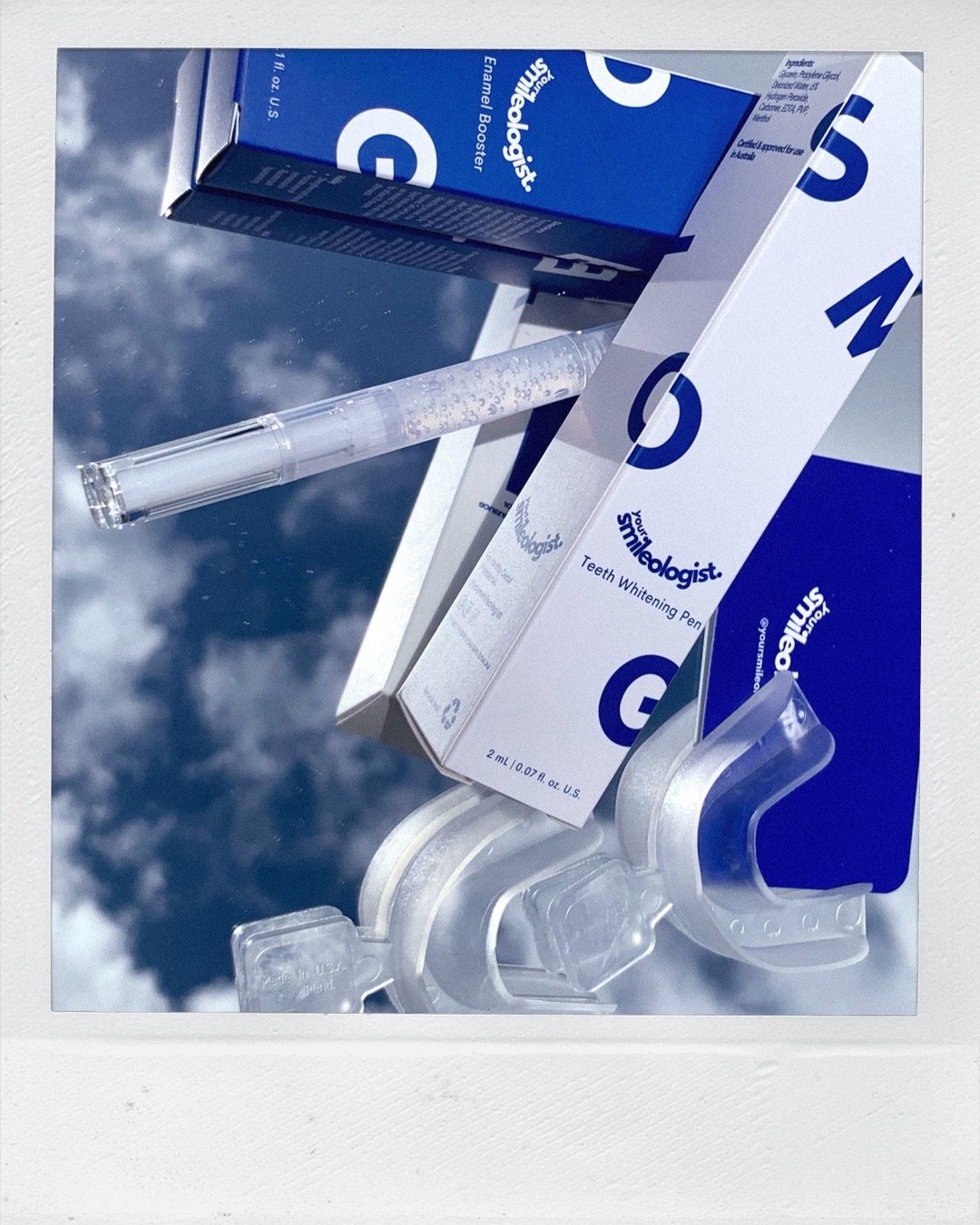
At-home whitening products—including custom trays with professional-grade gel, whitening strips, and LED kit systems—require different frequency guidelines than in-office treatments. The lower concentration of active ingredients means they're gentler on enamel, but they also require more frequent application to achieve and maintain results.
Safe at-home whitening schedules vary by product type:
- Custom tray systems (10-16% carbamide peroxide): Can be used for 7-14 consecutive nights initially, then 2-3 nights per month for maintenance
- Over-the-counter strips (6-10% hydrogen peroxide): Follow manufacturer instructions strictly, typically 7-14 days initially with maintenance every 2-3 months
- Whitening toothpaste: Safe for daily use but provides minimal whitening (1-2 shades maximum) and won't maintain professional results alone
- LED whitening kits: Effectiveness varies dramatically by brand; reputable systems recommend no more than once per month
The critical distinction here is between initial whitening and maintenance whitening. Initial whitening involves consecutive daily applications to achieve your desired shade, while maintenance involves periodic touch-ups to preserve those results. Confusing these two phases leads many people to over-whiten.
If you've had professional in-office whitening, I generally don't recommend at-home whitening products for at least 3-6 months afterward. Your teeth need recovery time, and the professional results should last well into this period with proper care. Read more about proper teeth whitening aftercare to maximise your results without additional treatments.
Unsure whether you need a full whitening treatment or just a maintenance touch-up? Book a complimentary assessment to evaluate your current shade and enamel health.
Book Free AssessmentWhy Over-Whitening Is Harmful: The Science
More whitening doesn't equal whiter teeth. In fact, excessive whitening causes a cascade of dental problems that become progressively harder to reverse. Understanding the mechanism of whitening damage helps explain why frequency limits exist.
Professional whitening agents work by penetrating enamel and breaking down chromogens (colour molecules) within the tooth structure. This is a chemical process that temporarily disrupts the crystalline structure of enamel. With appropriate recovery time, your saliva's mineral content naturally repairs this disruption through remineralisation.
When you whiten too frequently, you create cumulative damage:
- Enamel demineralisation: Repeated chemical exposure prevents natural remineralisation, leaving enamel weakened and porous
- Dentinal hypersensitivity: As enamel thins from over-whitening, the underlying dentin layer becomes exposed, causing sharp pain with hot, cold, or sweet stimuli
- Tooth translucency: Excessive whitening can make teeth appear chalky or translucent, particularly at the biting edges—a cosmetic problem that's difficult to correct
- Gum irritation: Repeated exposure to peroxide-based whitening agents can cause chemical burns, recession, and chronic inflammation
- Colour rebound: Over-whitened teeth often develop a bluish or greyish tint as the underlying dentin shows through compromised enamel
I've consulted with clients who came to me after aggressive whitening regimens at beauty salons or through unsupervised at-home use. Many experienced sensitivity so severe they couldn't drink room-temperature water without pain. In extreme cases, the enamel damage was permanent, requiring restorative dental work like veneers to correct both the aesthetic and functional problems.
The goal of professional whitening isn't to achieve the whitest teeth physically possible—it's to achieve the whitest healthy shade your natural teeth can sustain. These are fundamentally different objectives.
Maintenance vs Full Treatment: Understanding the Difference
One of the biggest sources of confusion around whitening frequency is the distinction between maintenance treatments and full whitening sessions. These are not interchangeable, and mixing them up leads to either disappointing results or over-whitening damage.
Full Whitening Treatment is designed to change your baseline tooth shade by 6-8+ levels. This involves:
- High-concentration professional whitening gel (usually 25-40% hydrogen peroxide)
- Extended activation time (45-90 minutes)
- Multiple application cycles within a single session
- Comprehensive enamel protection protocols
- Professional supervision throughout the entire process
Full treatments should only be performed once every 6-12 months by qualified dental professionals. This is what you receive during our Professional or Platinum whitening sessions at The Gemist Hub.
Maintenance Whitening is designed to preserve existing results by removing surface staining that accumulates over time. This involves:
- Lower-concentration whitening products (10-16% carbamide peroxide for trays, or whitening toothpaste)
- Shorter application times (30-60 minutes for trays, or twice-daily brushing)
- Periodic use rather than intensive consecutive treatments
- Focus on surface stain removal rather than deep shade change
Maintenance can be performed more frequently—typically every 1-3 months depending on lifestyle factors—because it's far less aggressive than full professional treatments.
The mistake many people make is treating maintenance products like full whitening treatments by using them continuously for weeks at a time. This provides minimal additional whitening benefit while significantly increasing sensitivity and damage risk. Conversely, expecting maintenance products alone to deliver professional-level results leads to disappointment and often motivates people to over-use these products dangerously.
"Think of professional whitening as a major renovation and maintenance as regular cleaning. You don't renovate your house every month, but you do clean it regularly to maintain the renovation results. The same principle applies to your teeth." — Nhi, AHPRA Registered Oral Health Therapist, ADA Member
Lifestyle Factors That Affect Whitening Frequency
Your lifestyle plays a significant role in how often you need whitening treatments. Two clients can receive identical professional whitening sessions but require touch-ups at completely different intervals based on their daily habits.
High-Frequency Whitening Needs (Every 6 Months):
- Daily coffee or black tea consumption
- Regular red wine drinking
- Current or recent smoking/vaping habits
- Frequent consumption of deeply pigmented foods (berries, curry, soy sauce, tomato sauce)
- Jobs or hobbies that require constant public presentation (performers, media personalities, public speakers)
Standard Frequency (Every 12 Months):
- Moderate coffee consumption with good rinsing habits
- Occasional wine or pigmented beverages
- Non-smoker with good oral hygiene
- Balanced diet without excessive staining foods
- No specific professional or social pressure for maximum whiteness
Low-Frequency or Maintenance-Only:
- Minimal coffee/tea consumption
- Non-smoker with excellent oral hygiene
- Low-staining diet (mainly light-coloured foods and beverages)
- Consistent use of whitening toothpaste and good aftercare habits
Being honest about your lifestyle helps set realistic expectations for whitening longevity. If you're a three-cups-of-coffee-per-day person, you'll likely need more frequent maintenance than someone who drinks primarily water and green tea. This doesn't mean you need professional whitening every three months—it means your maintenance protocol should be more aggressive, potentially including monthly at-home touch-ups with custom trays.
The key is finding the right balance for your specific situation. During your consultation at The Gemist Hub, I assess both your current shade and your lifestyle factors to recommend a personalised whitening schedule that maintains optimal results without compromising enamel health.
Warning Signs You're Whitening Too Often
Your teeth will tell you when you're overdoing it. Recognising these warning signs early prevents permanent damage and allows your enamel to recover before serious problems develop.
Stop whitening immediately if you experience:
- Persistent tooth sensitivity: Sharp pain when consuming hot, cold, or sweet foods that lasts more than 48 hours after whitening
- Translucent tooth edges: The biting edges of your front teeth appear see-through or glassy rather than opaque white
- Chalky white spots: Uneven patches of bright white that don't match the rest of your tooth surface (indicates enamel demineralisation)
- Gum recession or irritation: Red, swollen, or receding gums around teeth you've been whitening
- Greyish or bluish tooth tint: Your teeth appear grey, blue, or unnaturally white rather than naturally bright
- Severe pain during whitening: Intense discomfort that requires you to stop treatment before the recommended time
- No visible improvement: Continued whitening provides no additional brightness, indicating you've reached your natural limit
If you notice any of these symptoms, discontinue all whitening treatments and schedule an assessment with a dental professional. Most early-stage over-whitening damage can be reversed with remineralising treatments and a strict no-whitening protocol for 3-6 months. Ignoring these warnings and continuing to whiten leads to permanent enamel loss that may require costly restorative work.
Professional supervision helps prevent over-whitening because we monitor your enamel health, sensitivity levels, and shade progress throughout your treatment journey. This is one of the key advantages of professional versus at-home whitening—ongoing assessment rather than unsupervised repeated use.
Experiencing sensitivity or unsure if you're whitening too often? Schedule a professional enamel health assessment at The Gemist Hub.
Book Enamel AssessmentNhi's Recommended Maintenance Protocol
After years of treating clients across Adelaide and Sydney, I've developed a maintenance protocol that maximises whitening longevity while protecting enamel health. This is the exact guidance I provide to every client after their professional whitening treatment.
Immediate Post-Whitening (First 48 Hours):
- Avoid all staining foods and beverages (the "white diet")
- Use sensitivity toothpaste if any discomfort develops
- Brush gently with a soft-bristled toothbrush
- Skip whitening toothpaste during this vulnerable period
First Month After Professional Whitening:
- Continue avoiding highly pigmented foods/beverages when possible
- Rinse mouth with water immediately after consuming staining substances
- Use a straw for coffee, tea, or wine to minimise tooth contact
- Maintain excellent oral hygiene with twice-daily brushing and daily flossing
Months 2-6 (Active Maintenance Phase):
- Introduce whitening toothpaste 3-4 times per week
- Continue using a straw for staining beverages
- Professional cleaning every 6 months to remove surface staining
- No additional whitening treatments during this period
Months 6-12 (Extended Maintenance):
- Assess your current shade against post-treatment baseline
- If minor yellowing appears, consider a single at-home touch-up session (custom trays for 2-3 nights)
- If significant yellowing or you have an important event, schedule another professional whitening session
- Most clients maintain 70-85% of their professional results throughout this period with good habits
Long-Term Maintenance (Annual):
- Annual professional whitening treatment (Professional or Platinum level depending on goals)
- Continued use of whitening toothpaste 3-4 times weekly
- Six-monthly professional cleanings
- At-home touch-ups as needed between annual treatments (maximum once per quarter)
This protocol has proven successful across hundreds of clients with diverse lifestyles and whitening goals. The key is consistency with maintenance rather than aggressive repeated whitening sessions.
When Professional Re-Treatment Is Appropriate
Despite perfect maintenance, there are legitimate scenarios where professional re-treatment before the 12-month mark makes sense. As an AHPRA-registered Oral Health Therapist, I evaluate these requests carefully to ensure they're appropriate and safe.
Acceptable reasons for 6-month re-treatment:
- Major life event (wedding, graduation, professional photoshoot) that justifies prioritising aesthetics
- Significant lifestyle change (quit smoking, dramatically reduced coffee intake) that allows for safer re-treatment
- Initial treatment was conservative and you want to advance to a higher level (e.g., Professional to Platinum)
- Unexpected staining event (medication, dental trauma) that requires professional intervention
Unacceptable reasons that indicate unrealistic expectations:
- Minor yellowing that could be addressed with at-home maintenance
- Desire for unnaturally white teeth beyond what's healthy or achievable
- Comparison to edited photos on social media (these don't represent realistic dental results)
- Recent professional treatment (within 3 months) with normal yellowing progression
Part of my role as a dental professional is having honest conversations about realistic whitening expectations. If a client requests frequent re-treatment that I believe could harm their enamel health, I refuse the service and explain why. Protecting your long-term dental health is always more important than short-term aesthetic goals.
This ethical approach is why The Gemist Hub has maintained a zero-enamel-damage record across over 600 clients. We follow evidence-based protocols, respect biological limitations, and prioritise your health over revenue.
Understanding safe teeth whitening frequency empowers you to make informed decisions about your smile. Whether you choose annual professional treatments with diligent maintenance or more frequent touch-ups based on your lifestyle needs, the key is working with qualified professionals who prioritise your enamel health alongside aesthetic results. With the right approach, you can maintain a brilliant white smile for years without compromising the structural integrity of your teeth.
Ready to start your whitening journey with a personalised frequency plan? Book your consultation at The Gemist Hub in Adelaide or Sydney.
Book Your ConsultationWith locations in Parafield Gardens (Adelaide) and Canley Vale (Sydney), The Gemist Hub provides evidence-based teeth whitening treatments backed by professional qualifications, over 100 five-star Google reviews, and a perfect safety record. Whether you need your first professional whitening or guidance on maintaining your results, our AHPRA-registered team ensures you achieve your brightest smile safely.